Ball Knowledge Points & Scoring
How rarity, seven rounds, and leaderboards decide who wins.
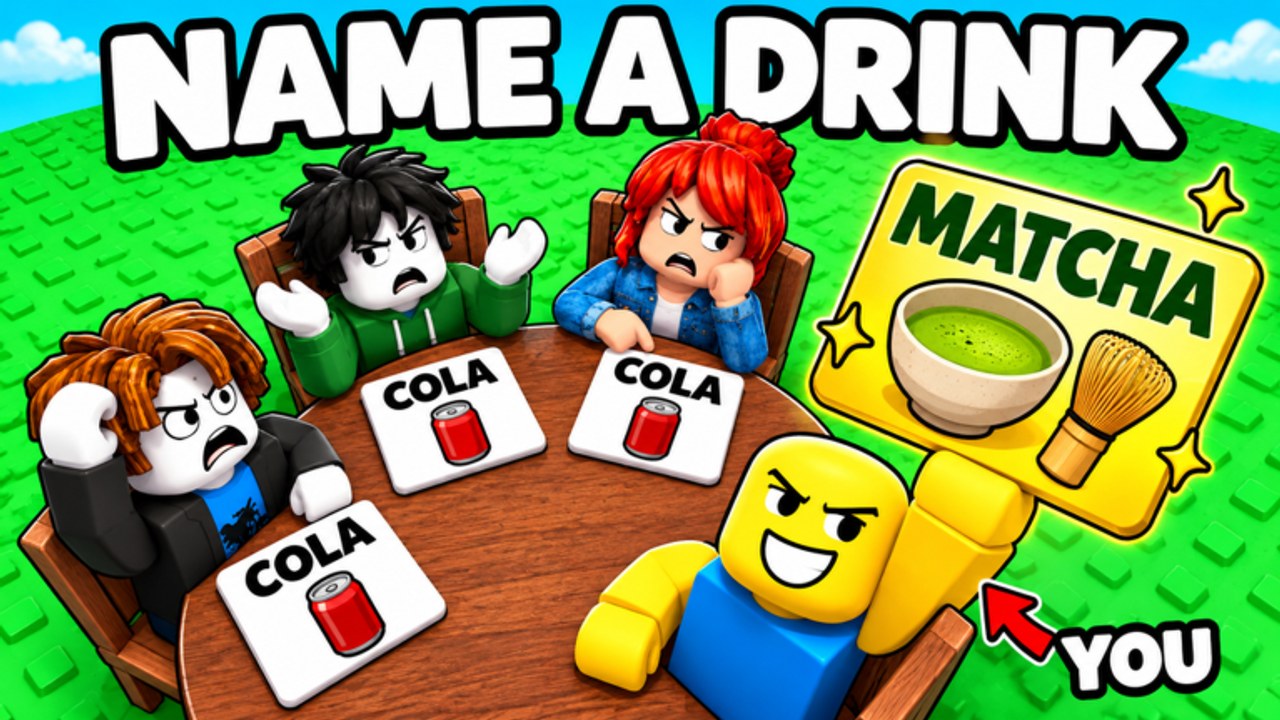
Scoring in Ball Knowledge is the reason the game feels different from speed trivia. Gray Games Official gives everyone at a table the same question, accepts one typed answer per player, then reveals replies ranked from Common up to Legendary. A Legendary answer is worth 100 points. Matches last seven rounds. The highest total wins. There is no speed bonus, and small spelling mistakes are tolerated. This guide unpacks that loop so you can plan a full match instead of celebrating (or panicking) after a single reveal.
Pair this page with Rare Answers for strategy and Getting Started for lobby flow. Format choice still matters for pressure—see Tables and Modes.
The points philosophy in one paragraph
Correctness gets you onto the board; rarity multiplies the value of that correctness. The official teaching example is blunt: on “Name a pet,” Dog scores about 10 while Fennec Fox scores about 90. Both can be valid. One is popular. One is uncommon. Legendary sits above even strong rares at a clean 100. Your job across seven rounds is to stack the highest legal totals the prompts allow.
Round structure
- Prompt appears for every seated player at the table.
- Each player submits exactly one answer.
- Answers reveal together with rarity labels.
- Points add to your match total.
- Repeat until seven rounds finish.
- Highest score wins the match.
Because reveals are shared, you always get feedback. A Common stamp is information: that word is now on your personal discard list for future similar prompts. A high rarity stamp is also information: your second-idea habit is working.
Why there is no speed bonus
Many Roblox players arrive from games where first input wins. Ball Knowledge removes that incentive on purpose. Typing early only helps if your early answer is already the uncommon valid pick. Otherwise, early typing locks a Common and wastes the thinking window. Treat the timer as a planning tool, not a race clock.
Spelling leniency supports the same design. Reaching for “Fennec Fox” should not require perfect orthography under stress. Still type carefully—leniency covers small mistakes, not unreadable spam.
Match math without spreadsheets
You do not need exact tables for every rarity tier to play well. You need relative intuition:
- Several Commons leave you trailing anyone who found mid/high rarity twice.
- One Legendary (100) is huge, but not an automatic match win if the other six rounds are weak.
- Four solid uncommon answers often beat a chaotic mix of one spike and many defaults.
- Recovery is real. A bad round one does not end the set; six rounds remain.
Think in match arcs. Early rounds establish whether the table is flooding Commons. Mid rounds are where you pull ahead with disciplined discards. Late rounds are for protecting a lead with safe-uncommon picks or swinging with a calculated high-rarity attempt if you are behind.
Badges tied to scoring play
Gray Games tracks meaningful milestones:
- First Win — Proof you closed a seven-round set on top.
- Legendary Find — You hit the 100-point rarity ceiling at least once.
- Ten Wins — Consistency across many matches, not a single lucky reveal.
Chase First Win by mastering basics on practice tables, then small human tables. Chase Legendary Find by studying Rare Answers without inventing invalid jokes. Chase Ten Wins by treating every match as a seven-round plan instead of a coin flip.
Leaderboards: what each board rewards
- Top Wins — Frequency of finishing first. Favors players who avoid tilt and keep playing clean sets.
- Top Streaks — Consecutive success. Punishes random table hopping mid-tilt; rewards composure.
- Best Score — Peak total quality. Favors rare-answer craft and strong seven-round averages.
Your cosmetic grind still matters—coins fund chairs, thrones, and answer effects—but leaderboard climbs are scoring climbs. Coin multipliers from passes (2x Coins at 149 Robux, VIP at 199 with 1.5x coins, VIP tag, and golden nameplate; they stack) accelerate furniture, not rarity IQ. Details live in Chairs and Unlocks.
Table size and scoring pressure
Scoring rules do not change between 1v1, 3-player, 4-player, and 8-player main stage. Human behavior does. Larger tables increase the chance that your “clever” answer is still someone else’s first thought, which can push shared answers toward Common. Smaller tables reduce that collision rate but raise variance: one opponent’s Legendary can swing a duel hard. Pick formats based on the pressure you want while you practice scoring habits.
Servers hold about 30 players overall, so multiple tables can run in parallel. That density is why learning to score—not just to socialize—matters if you care about boards.
Common scoring mistakes
- Treating any valid answer as “good enough.”
- Locking the first word because the timer feels scary.
- Ignoring category limits while chasing 100.
- Quitting after round two when the math still allows a comeback.
- Confusing coin income with match skill.
- Assuming spelling leniency means accuracy does not matter at all.
A practical scoring checklist for every match
Before round one: decide whether you are practicing rarity or pushing a streak. During each round: discard the obvious, confirm fit, submit once. After each reveal: note one Common trap and one higher pick you missed. After round seven: review whether your total came from spikes or steady uncommon answers. After the session: skim the Guides Hub for the next page you need—usually Rare Answers or Tables and Modes.
How scoring interacts with the wider game
Released 2026-10-14, Ball Knowledge already passed 2.3 million visits because the scoring fantasy is easy to explain and hard to master. Friends understand “don’t say Dog” in seconds; mastering seven-round totals takes real reps across the 135+ question pool. Cosmetics and passes decorate that fantasy, but the fantasy itself is rarity scoring.
When you can explain—out loud—why Fennec Fox outscores Dog, why Legendary is capped at 100, why speed does not pay, and why seven rounds reward composure, you understand Ball Knowledge scoring. Everything else on this wiki builds on that foundation.
Frequently Asked Questions
Quick answers for Ball Knowledge players.
How does Ball Knowledge scoring work?
Everyone shares a question, submits one answer, and earns points by rarity from Common to Legendary. After seven rounds, highest total wins.
How many points is Legendary worth?
A Legendary answer is worth 100 points, the maximum for a single round answer.
Do I get extra points for answering first?
No. There is no speed bonus. Take time to find a rarer valid answer.
Which leaderboards relate to scoring?
Top Wins, Top Streaks, and Best Score. Strong rarity play across full seven-round matches feeds all three.
Are small spelling mistakes okay?
Yes. Small spelling mistakes are accepted, but your answer still needs to fit the category.