Ball Knowledge Answer Rarity Tiers
From Common scraps to Legendary 100s—how Ball Knowledge turns unusual valid answers into match-winning totals.
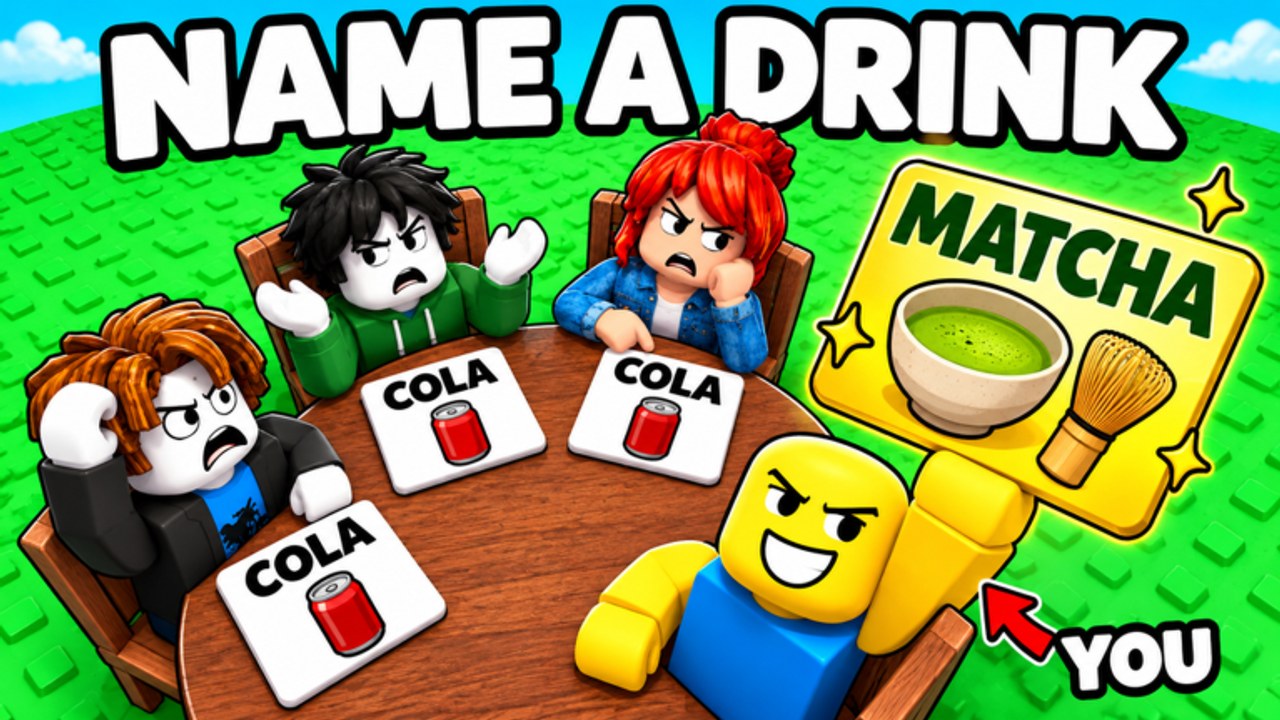
Ball Knowledge does not crown a strongest sword. It crowns the rarest valid answer that still fits the prompt. This answer rarity tier list reframes Common → Legendary as the real competitive ladder inside Gray Games Official’s Roblox trivia party game. Released on 14 October 2026, Ball Knowledge seats everyone at a table with the same question, collects one typed answer per player, then reveals how common or legendary each response was. After 7 rounds, the highest score wins. There is no speed bonus, so the meta is patience plus category imagination—not who mashed Enter first.
The rarity ladder at a glance
Think in five mental bands even if the client labels cluster slightly differently during reveals:
| Tier mindset | What it usually means | Match impact |
|---|---|---|
| Common | First answer most players type | Tiny points; fine for safety, weak for wins |
| Uncommon | Valid but less automatic | Small lead builder |
| Rare | Needs a second thought | Swing rounds |
| Ultra-rare / near-Legendary | Few players at the table know it | Huge swing |
| Legendary | Top rarity band | 100 points |
The published teaching example for pets makes the ladder concrete: on “Name a pet,” Dog scores about 10 while Fennec Fox scores about 90. Fennec Fox is excellent—nine times Dog—yet it is still not automatically the Legendary 100. That gap matters. Chasing “sort of rare” is good; understanding that Legendary is a distinct ceiling is better.
Why Common answers feel safe and still lose
Common answers are usually correct. That is the trap. In a 4-player or 8-player lobby, three people may all type Dog, Pizza, or Football. Each is valid. Each also clusters at the bottom of the reveal. Because totals accumulate across seven rounds, six Common answers and one lucky rare still lose to a player who averaged mid-high rarity all match. Treat Common as a backup when your creative pick might be invalid—not as your default plan.
S-tier thinking: Legendary (100)
Legendary is the S-tier outcome: a valid answer so uncommon in the reveal that the game awards the full 100. You cannot force Legendary by typing nonsense. The prompt remains law. “Name a pet” still needs something people keep as a pet; inventing a mythical beast that fails validation helps nobody. The skill is staying inside the category while leaving the crowded center of the Venn diagram.
Practical Legendary habits:
- Read every qualifier (type, species, Olympic, real, kitchen, Disney, and similar filters).
- Discard your first two ideas on purpose, then evaluate the third for validity.
- Prefer specific nouns over umbrella words when the prompt allows specificity.
- Remember spelling leniency helps typos; it does not rescue off-category jokes.
A-tier: high rare answers (example: Fennec Fox territory)
Answers in the high-80s to mid-90s mindset—illustrated by Fennec Fox at 90—are A-tier. They often win rounds without requiring a perfect Legendary. Building a personal bank of A-tier recalls across the 135+ question pool is the fastest fair improvement you can make. Categories stretch across animals, food, countries, sports, science, music, video games, and more, so diversify. A player who only memorizes obscure animals will stumble on kitchen tools or chemical elements.
B-tier: solid uncommon picks
B-tier answers beat the table average without being flashy. They are ideal when you are unsure whether a spicier pick will validate. In 1v1 duels, a reliable B-tier floor plus occasional A-tier spikes can beat an opponent who swings for Legendary and whiffs into rejects. Consistency across seven rounds is a tier list statistic of its own.
C-tier and below: crowded Commons
C-tier and lower covers the Dog-at-10 problem: correct, popular, low yield. Use them when the timer is nearly gone and you have no safer rare idea. Do not build your identity around them. If your Practice Noob sessions are full of C-tier comfort picks, assign homework: for each Common you type, force one alternative before submitting.
Table size modifies tier value
Rarity is relative to who sat down with you:
- Practice Noob tables — best lab for testing whether an answer is accepted and how the reveal labels it.
- 1v1 — information war; mirror matches punish shared Commons hard.
- 3-player and 4-player — medium collision rate; A-tier answers shine.
- 8-player main stage — maximum collision; unique valid picks climb in importance.
If you only train in Practice Noob, still sample a crowded main-stage lobby weekly so you feel how often “clever” ideas duplicate.
Round economy: seven chances, not one jackpot
Players sometimes treat Legendary like a slot machine—ignore six rounds, pray on the seventh. That is F-tier strategy. Because there is no speed bonus, each round is a mini puzzle. Bank B- and A-tier answers early, then take calculated Legendary attempts when you truly know a niche fit. A match with seven mid-high scores usually beats a match with one 100 and six Commons.
Linking rarity skill to progression
Higher scores win more often, which feeds Top Wins, Top Streaks, and Best Score boards covered in the leaderboards and badges guide. Badges such as First Win, Legendary Find, and Ten Wins also reward the same mastery. Coins from stronger play unlock chairs, thrones, and answer effects faster even if you never buy a pass. When you do consider Robux, compare options on the game passes tier list—2x Coins and VIP multiply earnings but cannot invent rarer knowledge for you.
Anti-patterns that destroy rarity rank
- Answering before finishing the prompt’s last words.
- Copying the chat meta from a previous round’s unrelated category.
- Using scripts or auto-typers; see the Scripts Hub for why that is unsafe and poorly matched to this design.
- Trusting fake “code” blogs for answer dumps; keep codes honest via the Codes Hub.
- Confusing meme answers with valid answers—humor only scores if it fits the category rules.
Training drills
- Two-idea rule: write your first idea, deliberately skip it, submit the second if valid.
- Category notebooks: keep a short personal list of uncommon pets, cheeses, instruments, elements, and Olympic sports.
- Noob laboratory: spend ten minutes daily only on Practice Noob tables reviewing reveal labels.
- Post-match autopsy: note every Common you typed and invent a rarer substitute afterward.
- Patch awareness: after updates listed on the Updates Hub, retest favorites in case validation shifts.
How this list relates to the rest of the wiki
Return to the Tier List Hub for pass rankings and overview links. New players should still complete Getting Started so lobby flow is automatic. Competitive goals live under the Players Hub. Official place discovery sits on the Links Hub. Together those pages keep rarity advice connected to real match flow instead of floating as abstract trivia theory.
Closing rank philosophy
Rank Legendary as the dream ceiling, high-rare answers as the dependable win condition, uncommon as your floor, and Common as emergency mode. The pet numbers—Dog 10, Fennec Fox 90, Legendary 100—are not just flavor text; they are the clearest published proof that Ball Knowledge rewards the answer nobody else at your table expected, as long as it still belongs in the question. Master that idea and every other tier list on this wiki becomes easier to use.
Frequently Asked Questions
Quick answers for Ball Knowledge players.
How many points is a Legendary answer worth?
A Legendary answer awards 100 points—the top of the rarity scoring range.
Why is Fennec Fox better than Dog on a pet question?
Both can be valid, but Dog is common (~10 points) while Fennec Fox is much rarer (~90). Legendary still sits at 100.
Is there a speed bonus for answering first?
No. Ball Knowledge has no speed bonus, so use your time to find a rarer valid answer.
Do small spelling mistakes ruin an answer?
The game offers spelling leniency for small typos, but the answer must still fit the category.
Where should I practice rare answers?
Use Practice Noob tables to test validity and rarity labels before jumping into larger competitive lobbies.